How to Get in the Mood for Sex When You're Not Feeling It
Sometimes desire isn't waiting at the door when you want it. Here's how to actually cultivate the mood when you're willing but not yet wanting.
Cultural commentator and sexuality educator exploring how we think and talk about intimacy in modern life.
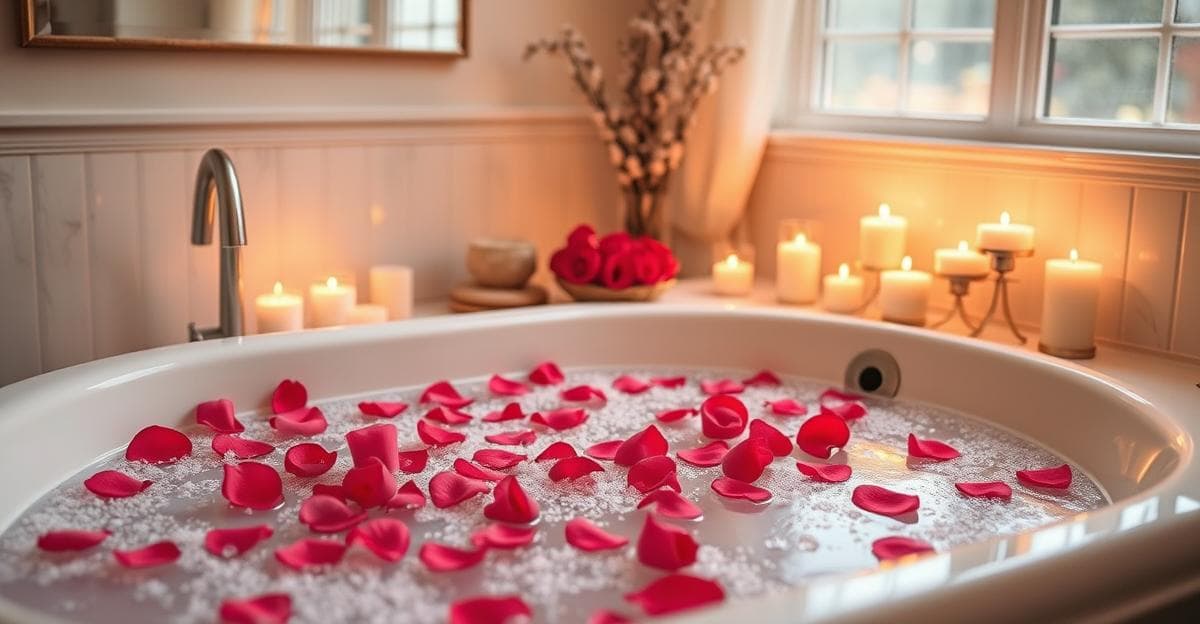
There's a difference between "I actively don't want sex" and "I'm not currently in the mood but I'm open to it." The second category is where most people find themselves most of the time - not bursting with desire, but not opposed either. The question is how to shift from neutral to interested.
Understanding Desire Types
First, recognize that desire works differently for different people:
Spontaneous desire is when you suddenly feel turned on - arousal comes out of nowhere. Some people experience this regularly; many don't, especially in long-term relationships.
Responsive desire is when arousal develops in response to stimulation. You start from neutral, but once things begin, desire follows. This is actually more common than spontaneous desire, particularly for women.
If you're waiting for spontaneous desire before initiating or responding to sex, you might wait a long time. Instead, consider whether you're open to sex starting and your body responding as things progress.
Creating the Right Mental Space
Address the Distractions
Your brain is probably occupied. Work stress, tomorrow's tasks, the dishes in the sink, the email you forgot to send. These intrusions block sexual attention.
Try:
- Write down what's on your mind before starting anything intimate. Getting it on paper helps release it mentally.
- Set a time when you're both "off duty" from life obligations.
- Create a transition ritual - a shower, changing clothes, something that signals a shift from daily mode to intimate mode.
Shift Your Focus
Sexual arousal requires attention. Your mind has to be pointed at something arousing for arousal to happen.
Options for shifting focus:
- Think about previous good sexual experiences
- Recall what you find attractive about your partner
- Engage with erotic content - audio stories, erotica, whatever works for you
- Let yourself daydream without immediately jumping to "but we should probably..."
Physical Warm-Up
Start with Non-Sexual Touch
Don't go straight from no contact to sexual contact. Build through:
- Cuddling or just sitting close
- Back rub or massage
- Kissing - start soft, let it deepen naturally
- Touch that's affectionate but not explicitly sexual
Let your body warm up. Responsive desire often kicks in once physical contact is established.
Body Awareness
Sometimes we're disconnected from physical sensation. Try:
- A hot bath or shower (alone or together)
- Stretching or light movement to get blood flowing
- Deep breathing to relax tension
Being physically relaxed and aware of your body makes it easier for arousal to register.
Environment Matters
Reduce Barriers
What gets in the way of you feeling sexual? Address those specifically:
- Too cold or hot? Adjust the temperature.
- Kids might interrupt? Make sure they're settled.
- Room is a mess? Tidy it or move somewhere else.
- Feel gross? Shower first.
Add Enhancements
Small changes can shift the atmosphere:
- Lighting - dim or candlelight feels different than overhead lights
- Music - something with a relaxed or sensual vibe
- Scent - clean sheets, a favorite perfume, essential oils
- Comfort - soft blankets, pillows positioned well
Mind-Body Connection Techniques
Breathing
Deep, slow breathing activates the parasympathetic nervous system (rest and relax, as opposed to fight or flight). Sexual arousal works better when you're relaxed.
Try: Breathe in for 4 counts, hold for 4, out for 4. Repeat several times.
Progressive Relaxation
Tension blocks arousal. Consciously relax muscle groups from feet to head. Notice where you're holding tension and release it.
Mindfulness
Bring attention to present sensations rather than thinking about performance or outcomes. Feel what's happening rather than evaluating it.
What Actually Turns You On?
This requires some self-knowledge. What moves you from neutral to interested?
Erotic Content
For many people, exposure to erotic material helps activate desire. This might be:
- Audio erotica - many people find audio more immersive than visual
- Written erotica or romance novels
- Visual content if that works for you
- Memories of past experiences
Anticipation
Sometimes desire builds over time rather than appearing on demand:
- Flirty texts during the day before an evening together
- Planning and looking forward to intimate time
- Creating space between wanting and doing
Your Specific Triggers
Everyone has specific things that help shift them toward desire:
- Certain music or scenes
- Particular acts of affection from a partner
- Time of day (mornings? nights?)
- Activities that make you feel confident or attractive
Know your own patterns. Use them intentionally.
With a Partner
Communication
Tell your partner if you need warm-up time. "I'm not quite there yet but I'd like to get there" is useful information. It helps them understand that you're willing but need a slower start.
Let Them Help
If your partner does something that helps you get in the mood - massage, kissing, particular touching - let them know. They can help create conditions for your desire to emerge.
Scheduled Intimacy
This sounds unromantic but actually works for many couples. Knowing that Tuesday evening is intimate time allows you to mentally prepare, clear distractions, and build anticipation rather than trying to manufacture desire out of nowhere.
When "Not in the Mood" Is Deeper
Sometimes difficulty getting in the mood points to something else:
Physical Factors
- Exhaustion
- Medication side effects
- Hormonal changes
- Health conditions
These may need to be addressed before psychological techniques work.
Relationship Issues
If resentment, disconnection, or unresolved conflict exists, desire often suffers. Addressing the relationship is more effective than trying to force arousal.
Mental Health
Depression, anxiety, and stress all affect libido. Sometimes treating these underlying conditions is necessary before desire returns naturally.
Consistent Lack of Desire
If you rarely or never want sex, that's worth exploring with a healthcare provider or therapist. It might be normal for you, or it might indicate something addressable.
The Difference Between Warming Up and Forcing
There's a crucial distinction:
Healthy: Giving yourself time and stimulation to let responsive desire develop when you're open to it.
Unhealthy: Forcing yourself to have sex when you genuinely don't want to.
If you start trying to get in the mood and it's just not happening, that's okay. Not every attempt needs to end in sex. The goal is creating conditions where desire can emerge, not demanding that it does.
What This Comes Down To
Not being spontaneously aroused isn't a problem to fix - it's the normal experience of most people. The question isn't how to manufacture desire from nothing, but how to create conditions where your natural responsive desire can activate.
This means: clearing mental distractions, relaxing the body, shifting focus toward the sensual, creating a supportive environment, and giving yourself time to warm up. It means knowing what works for you specifically and using that knowledge intentionally.
Desire isn't always waiting. Sometimes you have to meet it halfway.
About the Author
Maya Thompson
Cultural commentator and sexuality educator exploring how we think and talk about intimacy in modern life.