Sex Chocolate and Aphrodisiacs: What Actually Works?
Sex chocolates are everywhere right now. But do they work, or is it all hype? Here's an honest look at aphrodisiacs - the real ones and the fake ones.
Health and wellness writer with a focus on sexual health, nutrition, and evidence-based approaches to intimacy.
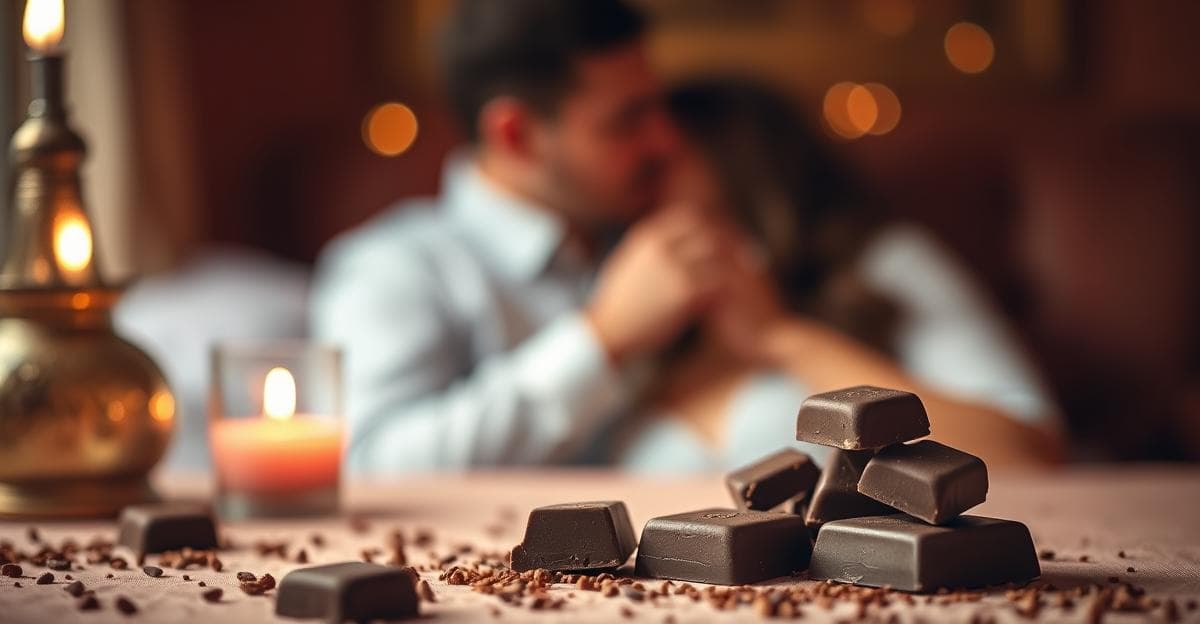
My Instagram has been absolutely flooded with sex chocolate ads lately. "Enhance your desire naturally!" "The chocolate that leads somewhere..." You've probably seen them too. Little luxury chocolates promising to turn an ordinary Tuesday night into something more exciting.
I'm a naturally skeptical person, especially when it comes to products promising to boost libido. The supplement industry has a long history of overpromising and underdelivering. But I'm also curious, and when something gets this much attention, I want to understand what's actually going on.
So I spent the last month researching aphrodisiacs - traditional ones, modern ones, and these trendy sex chocolates everyone's talking about. Here's what I found.
What Is Sex Chocolate, Anyway?
Sex chocolate is dark chocolate infused with ingredients believed to enhance arousal or sexual function. Different brands use different formulas but the common additions include maca root a Peruvian plant traditionally used for energy and fertility. Epimedium also called horny goat weed yes that is the real name has been used in Chinese medicine for centuries. Cacao appears in higher amounts than regular chocolate sometimes with added cacao nibs. Ashwagandha is an adaptogen linked to stress reduction and hormone balance. Various herbs like ginseng damiana and tribulus appear depending on the brand.
The idea is that combining these ingredients in chocolate form makes them more enjoyable to consume and easier to incorporate into a romantic evening. Eat chocolate together, wait 30 minutes to an hour, supposedly feel more in the mood.
The Chocolate Connection
Before we get to the added ingredients, let's talk about chocolate itself. There's a reason this combination makes intuitive sense.
Chocolate contains phenylethylamine (PEA), sometimes called the "love chemical." It's the same compound your brain produces when you're attracted to someone. Chocolate also contains tryptophan, a precursor to serotonin, which influences mood and wellbeing.
Then there's theobromine, a mild stimulant that increases heart rate slightly and can create a subtle sense of alertness and energy. And let's not forget that eating good chocolate is genuinely pleasurable - the taste, the texture, the ritual of it.
Here's the honest truth though: the amounts of these compounds in chocolate are pretty small. You'd have to eat an uncomfortable amount of chocolate to get significant pharmacological effects. The mood-boosting benefits are real but subtle.
What chocolate does extremely well is set the stage. Sharing something indulgent and sensory with a partner creates intimacy. The act of slowing down to enjoy something together matters. Whether the specific chemistry of chocolate is doing much is debatable, but the experience of it absolutely contributes to shifting into a more romantic headspace.
Do the Added Ingredients Work?
Now for the trickier question. Let's look at the evidence for common sex chocolate ingredients:
Maca Root
This is probably the most studied ingredient. Research shows maca may help with sexual desire, particularly in people taking antidepressants or experiencing age-related libido changes. Studies suggest it works more on desire than physical function - meaning it might make you want sex more, but doesn't directly affect physiological response.
The catch: effective doses in studies tend to be 1.5-3 grams daily, often for several weeks before effects are noticeable. A single chocolate square probably contains less than that, and you're eating it once, not daily for weeks.
Epimedium (Horny Goat Weed)
This one has interesting science behind it. The active compound, icariin, appears to work similarly to PDE5 inhibitors - the same mechanism as erectile dysfunction medications. Animal studies are promising.
The issue is that effective dosing in humans isn't well established, and the quality of commercial preparations varies wildly. Some products contain barely any active compound. Without standardization, it's hard to know if you're getting anything meaningful.
Ashwagandha
This adaptogen has solid evidence for reducing cortisol (the stress hormone) and may support testosterone levels in men. Since stress is one of the biggest libido killers, anything that reduces stress can indirectly support desire.
Again though, studies showing benefits use significant doses taken consistently over time, not a one-time thing.
Ginseng
Some evidence exists for Korean red ginseng improving erectile function and arousal. The mechanism isn't totally clear, but it may involve nitric oxide pathways (the same thing that makes Viagra work).
Damiana
Traditional use in Mexico for enhancing sexuality, but scientific evidence is limited. Some small studies suggest possible effects, but nothing conclusive.
My Honest Take on Sex Chocolate
After all this research, here's what I actually think:
Sex chocolate probably works for a lot of people, but not primarily through the ingredients.
The ritual matters. Taking something together with the explicit intention of enhancing desire creates anticipation. Anticipation is incredibly powerful for arousal. You're priming yourselves to be more receptive before any chemistry kicks in.
The placebo effect is real and not something to dismiss. If you believe something will increase your desire, your brain may genuinely respond. Placebo effects on subjective experiences like "how turned on do I feel" can be substantial. There's nothing wrong with that.
The ingredients might contribute something, especially if you're using these products regularly. A chocolate you share nightly could deliver meaningful doses of maca or ashwagandha over time. But expecting a single square to dramatically transform one evening is probably unrealistic.
If sex chocolates get you and your partner into a romantic headspace, create a fun pre-intimacy ritual, and you enjoy them - great. They're probably worth it. Just keep expectations realistic.
Other Aphrodisiacs Worth Knowing About
Sex chocolate isn't the only option. Here's what else has actual science or serious historical use behind it:
Oysters
The classic. Oysters are high in zinc, which is essential for testosterone production. They also contain rare amino acids that may trigger increased sex hormone production. Plus, eating oysters is sensual - the texture, the ritual, feeding each other.
Saffron
This expensive spice has studies supporting its effects on both desire and physical response, particularly in people taking antidepressants. It's been used as an aphrodisiac in Persian culture for centuries.
Figs
High in amino acids believed to increase libido. Also, let's be honest, eating a ripe fig is one of the more sensual food experiences you can have.
Pomegranate
Studies suggest pomegranate juice may increase testosterone levels and improve mood. The fruit has been associated with fertility and sexuality across multiple cultures.
Watermelon
Contains citrulline, which converts to arginine and can improve blood flow similarly to the mechanism behind Viagra. You'd have to eat a lot for significant effects, but it's not nothing.
Red Wine (Moderate)
A glass or two can reduce inhibitions and increase relaxation. The key word is moderate - too much has the opposite effect. Red wine also contains resveratrol, which may support circulation.
What Actually Increases Desire
If I'm being completely honest, here's what reliably enhances libido more than any supplement:
Sleep. Seriously. Being well-rested affects hormones, mood, and energy levels. Chronic sleep deprivation tanks libido for almost everyone.
Stress reduction. Cortisol suppresses sex hormones. Whatever helps you decompress - exercise, meditation, time in nature, reducing your workload - supports desire.
Exercise. Regular physical activity improves body image, increases energy, and supports healthy hormone levels. It also improves blood flow, which matters for physical arousal.
Connection. Feeling emotionally close to your partner is the biggest predictor of desire for many people. Time together, good conversations, affection outside the bedroom - these build desire more reliably than any supplement.
Novelty. New experiences together activate dopamine pathways that overlap with sexual arousal. Trying something new - even if it's not sexual - can translate to increased desire.
Fantasy. Giving your imagination room to wander keeps sexual energy alive. Erotic audio, reading, daydreaming - whatever lets you explore desire mentally.
How to Use Aphrodisiacs Effectively
If you want to incorporate aphrodisiacs into your life, here's my suggestion:
Focus on the ritual, not just the substance. The experience of preparing and sharing something together matters as much or more than what's in it. Make it intentional. Make it a signal that tonight is different.
Keep expectations reasonable. Aphrodisiacs can support and enhance desire. They're not magic pills that create desire from nothing. If there are underlying issues - stress, relationship problems, health concerns - those need addressing too.
Try things consistently before judging. Many compounds that affect libido take time. If you're interested in maca or ashwagandha, consider taking them regularly for a few weeks rather than expecting one dose to change everything.
Pay attention to what actually works for you. Bodies are different. Something that does nothing for your friend might work great for you, and vice versa. Personal experimentation is necessary.
Don't overlook the basics. All the sex chocolate in the world won't overcome sleep deprivation, chronic stress, or feeling disconnected from your partner. Address foundations first.
A Note on Safety
Most aphrodisiacs are quite safe in normal amounts. But a few considerations:
- If you're on medications - especially blood pressure meds, antidepressants, or blood thinners - check for interactions before trying new supplements
- Pregnant or breastfeeding people should be cautious with herbal supplements
- Some herbs can affect hormone levels, which matters if you have hormone-sensitive conditions
- Buy from reputable sources - supplement quality varies enormously
When in doubt, check with a healthcare provider. Most will be familiar with common aphrodisiac ingredients and can advise based on your specific situation.
What This Comes Down To
Sex chocolate and aphrodisiacs occupy an interesting space between genuine physical effects and powerful psychological ones. The ingredients have varying levels of scientific support, but the ritual and intention behind using them may be equally important.
My honest advice: if you're curious, try them. If sharing sex chocolate with your partner creates anticipation and becomes part of how you signal "tonight is special," that's genuinely valuable - regardless of whether the maca is doing anything.
Just remember that the most reliable aphrodisiac is a connected relationship where both people feel desired and relaxed. No chocolate can substitute for that, but it can certainly complement it.
About the Author
James Chen
Health and wellness writer with a focus on sexual health, nutrition, and evidence-based approaches to intimacy.